

The logistics automation market entered 2026 with a clear shift: sorting is no longer just about moving parcels faster, it is about moving them smarter. E-commerce volume continues to climb, same-day delivery becomes the default expectation in tier-one cities, and labour shortages push operators toward fully automated, software-defined sortation. This article reviews the technology and market forces shaping sorting systems in 2026, the specification levels buyers should expect, and the application scenarios where the newest equipment delivers the fastest return on investment.
Global parcel volume is forecast to grow at a double-digit compound rate through 2026, with cross-border e-commerce and returns processing as the two fastest-growing segments. In this environment, the bottleneck is rarely transport - it is the sortation node. Manual and semi-automatic lines that handled a few thousand items per hour are being replaced by systems rated at 8,000 to 30,000 items per hour. The decisive metric is no longer peak speed alone, but sustained accuracy above 99.9 percent combined with the ability to absorb sudden surges without manual intervention.
Legacy sortation relied on printed barcodes scanned at fixed gates. In 2026, deep-learning vision modules read damaged labels, handwritten addresses, and mixed-language text directly on the belt. This reduces no-read rates from several percent to under 0.1 percent and removes the need for perfectly placed labels. Vision units are now integrated at the Dynamic Weight and Scan (DWS) station, fusing weight, volume, and identity into a single decision before the item reaches the sorter.
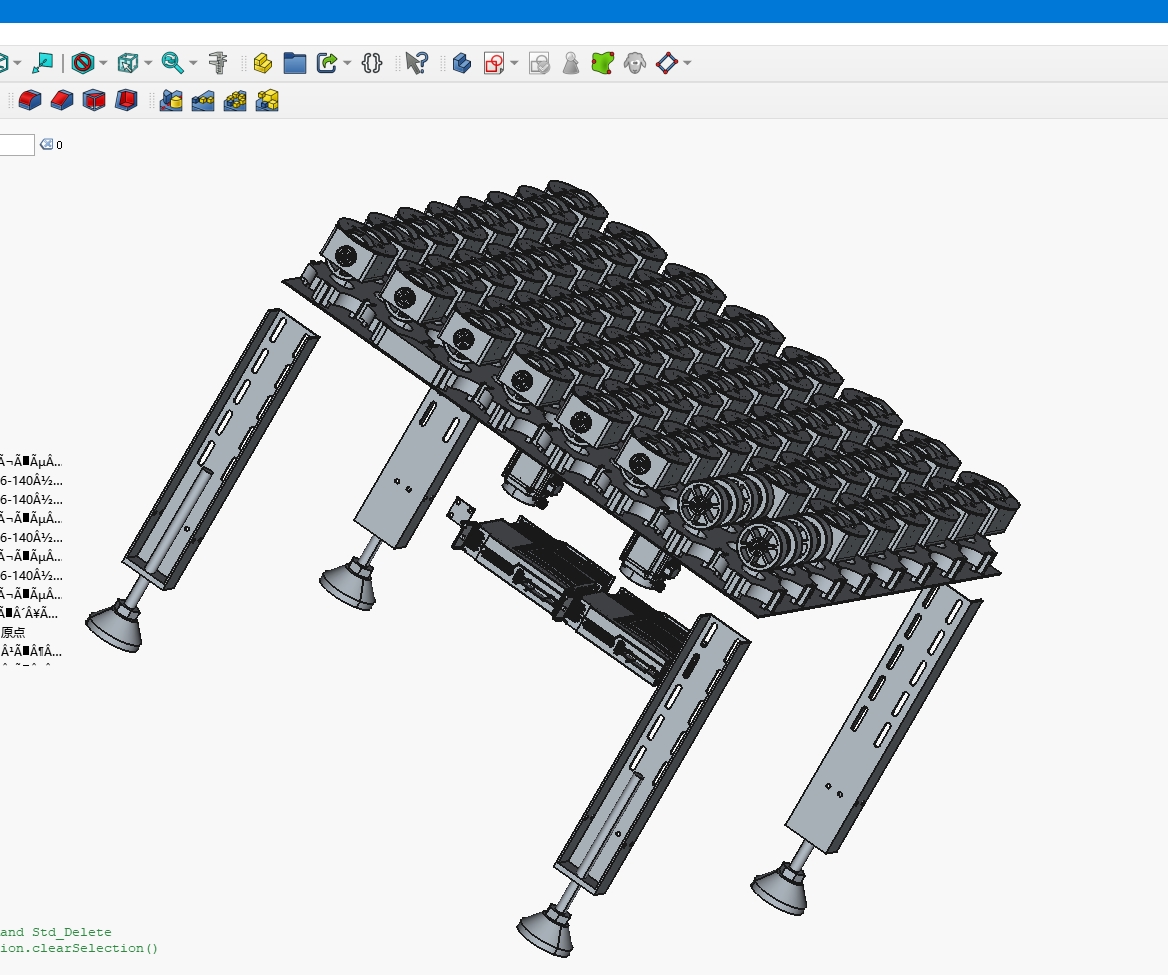
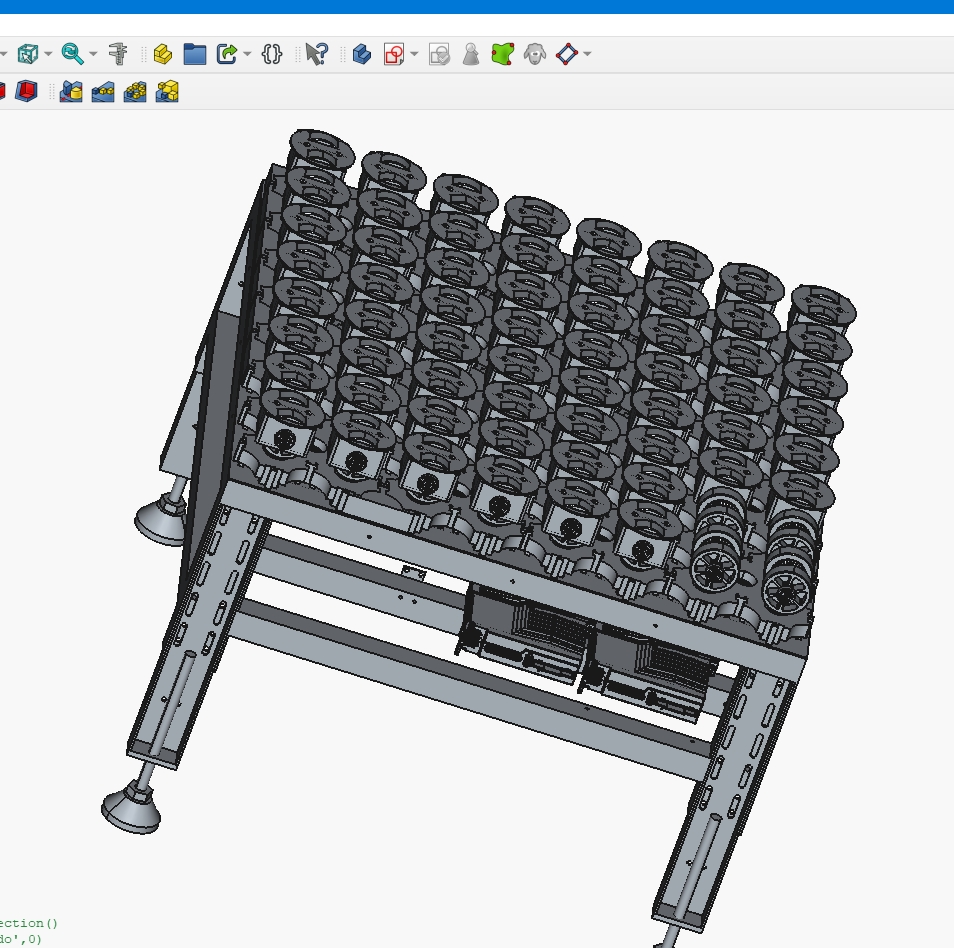
Operators increasingly favour modular sorters - swivel-wheel, narrow-belt, and rotary-wheel units - that can be expanded by adding modules rather than rebuilding the line. A modular rotary-wheel sorter rated at 8,000 parcels per hour can be doubled in capacity by extending the wheel array, protecting the original investment. This plug-and-scale model shortens payback periods and fits facilities that grow in phases.
Electricity and floor space are now first-class design constraints. Modern narrow-belt and linear sorters deliver the same throughput as older cross-belt systems in roughly 40 percent less floor area, and regenerative drives return braking energy to the grid. For urban fulfilment centres where rent is the largest cost, the smaller footprint alone justifies the upgrade.
Buyers evaluating sorting equipment in 2026 should benchmark against the following representative levels, which reflect current production-grade systems rather than best-case marketing figures:
| Parameter | Entry Modular | Mid-Range | High-Throughput |
|---|---|---|---|
| Throughput (PPH) | 4,000 | 8,000 - 12,000 | 20,000 - 30,000 |
| Sort accuracy | 99.5% | 99.9% | 99.99% |
| Item size range | 80 - 600 mm | 50 - 800 mm | 50 - 1000 mm |
| Chute / destination count | 30 - 60 | 80 - 150 | 200 - 400 |
| Typical footprint | Compact | Medium | Large, linear |
The clearest win is the e-commerce fulfilment hub processing fashion, electronics, and daily goods. Here, order profiles are small-parcel dominated and highly variable. A vision-equipped modular sorter cuts mis-sorts that trigger costly reverse logistics, and the small-footprint design lets operators add capacity inside existing walls.
National postal operators use high-throughput cross-belt and linear sorters at regional hubs to separate inbound from outbound and to pre-sort by last-mile route. Accuracy above 99.9 percent directly reduces manual re-handling at downstream depots.
Returns processing is the fastest-growing sorter application in 2026. Returned items arrive in mixed conditions, often with damaged or missing labels. AI vision recognition and DWS integration allow the line to identify, weigh, and route returns without manual keying, collapsing a multi-step manual process into a single automated pass.
Hardware is converging; the differentiator is software. In 2026, leading systems expose a management layer that maps chutes to dynamic business rules, balances load across multiple sorters, and feeds a real-time dashboard with throughput, no-read rate, and jam events. This software-defined approach lets a single control room re-task capacity from inbound to returns within minutes as demand shifts, a capability manual lines cannot match.
We expect three developments to define the remainder of 2026. First, vision-based recognition will become standard rather than optional on new lines. Second, modular and scalable architectures will outsell monolithic cross-belt installations in the mid market, because they match phased capacity growth. Third, energy efficiency will move from a nice-to-have to a procurement requirement as operators face rising power costs. Vendors that combine proven mechanical accuracy with open, software-defined control will capture the majority of new deployments.
For operators planning a 2026 upgrade, the recommended sequence is: (1) profile your true item mix and peak factor, not just average volume; (2) require a live no-read demonstration on your worst-label samples; (3) validate the software layer for dynamic chute mapping and reporting; (4) choose a modular architecture sized for 18 months of growth. Following this sequence avoids the most common failure - buying peak speed that the rest of the operation cannot feed.
WINDA (wdsort.com) designs and manufactures modular sorting equipment including narrow-belt, swivel-wheel, and rotary-wheel systems for e-commerce, postal, and returns applications. Our engineering team supports layout design, throughput simulation, and phased capacity expansion for fulfilment centres of every scale. For specifications and project consultation, contact us at info@zowinda.com.
Sorter
Wechat QR code
wechat number:Copyright © 2022-2023 Winda, inc. All rights reserved