

The belt telescopic conveyor has quietly become one of the most cost-effective pieces of equipment on a modern logistics dock. As parcel volumes keep climbing and labour shortages tighten across warehouses, distribution centres, and cross-border fulfilment sites, the ability to extend a belt directly into a truck trailer and move boxes without manual carrying is no longer a luxury. In 2026, this mature technology is being re-shaped by three forces: rising throughput expectations, smarter controls, and a stronger push toward ergonomic, energy-efficient dock operations.
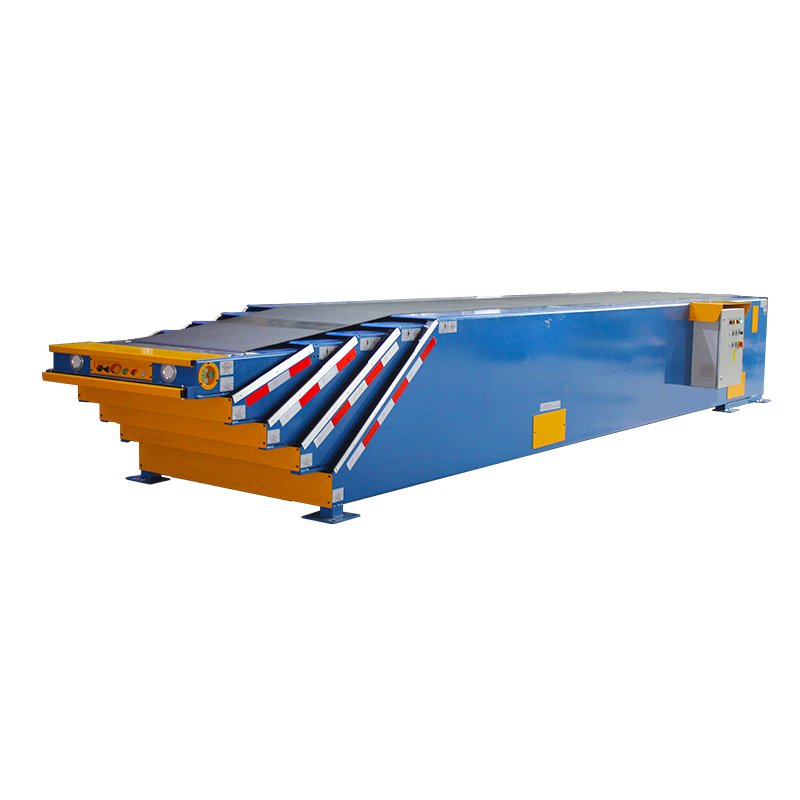
Loading and unloading a single 13-metre trailer by hand can take two to three workers more than an hour, with a high risk of musculoskeletal injury. A telescopic belt conveyor collapses this workflow into a continuous, automated stream. The operator walks the belt out to the far wall of the trailer, fills from the back to the front, and retracts as the load builds. In 2026, with e-commerce return flows and same-day delivery mandates growing, dock turnaround time is a direct competitive metric, and the telescopic conveyor is the fastest payback upgrade most sites can make.
The WINDA belt telescopic conveyor (product series built around the WDA-TL platform, product ID 80 on the wdsort.com catalogue) is engineered for heavy, continuous dock duty. Its core specifications reflect what logistics operators ask for most: adjustable reach, durable belting, and hydraulic lift that follows the trailer floor.
| Parameter | Specification |
|---|---|
| Product Name | Belt Telescopic Conveyor |
| Max Telescopic Length | 4m - 17m (customizable) |
| Belt Width | 500mm / 600mm / 800mm / 1000mm |
| Lifting Angle Range | 0 ~ +/-5 degrees (hydraulic) |
| Load Capacity | 60 kg/m |
| Belt Speed | 0.5 - 2.5 m/s (adjustable) |
| Drive Motor | SEW / Chengbang reduction motor with brake |
| Belt Material | PVC / PVK / Rubber (optional) |
| Frame Material | Carbon steel with powder coating |
| Control Method | Button panel + optional remote / wireless |
| Power Supply | 380V / 50Hz (or customized) |
The 4m to 17m reach range covers everything from small sprinter vans to 45-foot curtain-side trailers. Belt widths up to 1000mm allow two operators to load side by side, while the 60 kg/m load rating handles dense cartons, totes, and polybags without sagging. Adjustable belt speed from 0.5 to 2.5 m/s lets teams match conveyor pace to the human packing rhythm, which is the single biggest factor in sustainable, injury-free throughput.
Button-panel control is giving way to wireless remote and zone-based start-stop. In 2026, operators expect to walk beside the belt with a handheld controller, starting only the section they are loading. This cuts idle running, reduces belt wear, and trims energy use. The optional remote/wireless control listed in the specification table is no longer an upsell item but a baseline expectation for new installations.
As fulfilment centres ship a wider mix of cartons, mailers, and fragile goods, belt material choice matters more. PVK belts offer high grip and low noise, while rubber suits heavy or abrasive loads. The optional PVC / PVK / rubber belt material lets operators match the surface to the parcel profile, reducing slips and jams at the telescopic tip where most failures occur.
The 0 to +/-5 degree hydraulic lifting angle is critical. Trailer floors slope, and a fixed-angle belt forces boxes to roll or wedge. In 2026, smoother hydraulic systems with finer angle resolution keep the belt parallel to the load floor, so cartons travel flat and arrive undamaged. This is a quiet but decisive factor in damage-rate reduction.
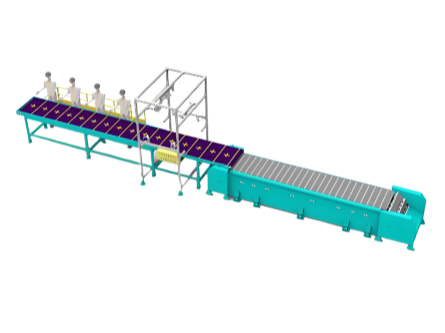
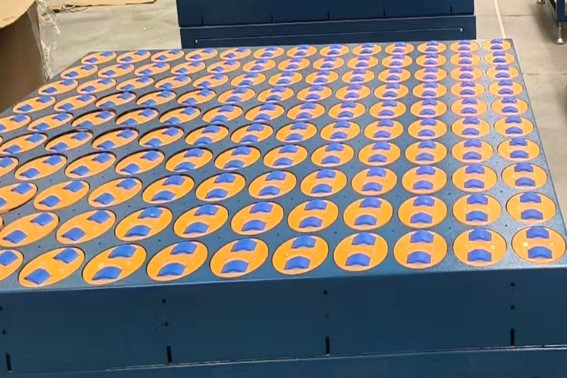
The telescopic conveyor is increasingly the final leg of an automated chain that starts with a cross-belt or swivel-wheel sorter. Rather than buffering parcels in queues at the dock, sites feed sorted outputs straight to the correct trailer via multiple telescopic units. This end-to-end view is where the biggest 2026 productivity gains are realised.
The belt telescopic conveyor fits any point where goods cross the building threshold:
Industry analysis points to steady, broad-based demand for dock automation equipment through 2026. Several drivers stand out. First, persistent warehouse labour shortages make any device that removes manual carrying economically compelling. Second, the rise of regional fulfilment networks means more, smaller docks rather than fewer large ones, expanding the total addressable base of telescopic conveyors. Third, sustainability programmes favour electric-hydraulic, right-sized equipment over idling diesel auxiliaries.
Pricing pressure is real, but buyers in 2026 are less focused on the lowest sticker price and more on total cost of ownership: energy per parcel, maintenance interval, and operator safety. Vendors that offer customizable reach, multiple belt widths, and proven drive components such as SEW or Chengbang reduction motors with brake are positioned to win specification disputes.
When specifying a belt telescopic conveyor, match the reach to your longest trailer plus one metre of working margin, choose belt width by the number of simultaneous loaders, and confirm the lifting angle range covers your worst-case floor slope. Verify the drive motor brand and brake specification, since these determine uptime at a 24/7 site. Finally, request wireless zone control if your operation runs multiple docks with variable shift patterns.
The belt telescopic conveyor is a mature, unglamorous technology that delivers one of the fastest returns in dock automation. In 2026, the differentiators are no longer the basic boom and belt but the intelligence around them: wireless control, material-matched belting, precise hydraulic lift, and tight integration with upstream sortation. For logistics operators fighting turnaround time and labour cost, extending the belt into the trailer remains one of the smartest moves available.
For specifications, customization options, and project references on the WINDA belt telescopic conveyor, contact the wdsort.com team. Email: info@zowinda.com
Sorter
Wechat QR code
wechat number:Copyright © 2022-2023 Winda, inc. All rights reserved